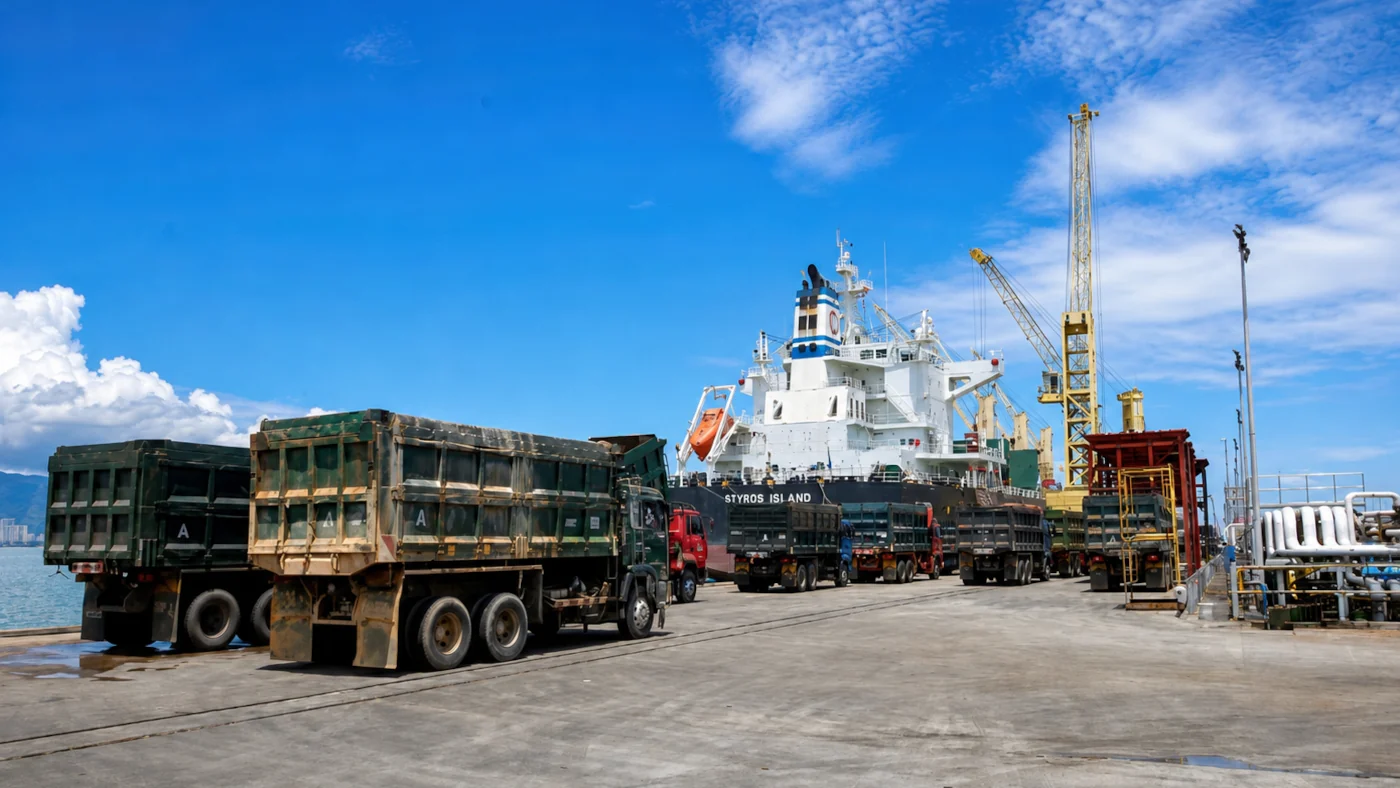
Mozambique’s Growing Role as a Regional Logistics Gateway
Mozambique is increasingly positioned to play an important role in regional trade and logistics in Southern Africa. With its strategic location along the Indian Ocean, access to major ports and connections to several landlocked neighbouring countries, the country provides important trade routes between international markets and the wider Southern African region.
As infrastructure, trade corridors and industrial activity continue to develop, reliable transportation is becoming increasingly important. From heavy equipment and machinery to industrial cargo and construction materials, efficient freight transportation plays a key role in keeping projects, businesses and supply chains moving.
Why Mozambique Matters for Regional Trade
Mozambique’s geographic position gives it a natural advantage as a gateway between the Indian Ocean and inland Southern Africa.
The country’s major transport corridors connect its ports with neighbouring countries and important economic centres. The Maputo Corridor links southern Mozambique with South Africa and Eswatini, while the Beira Corridor provides an important connection between central Mozambique and Zimbabwe. Further north, the Nacala Corridor connects Mozambique with Malawi and Zambia.
These corridors are more than transportation routes. They form part of the infrastructure that allows goods, raw materials, machinery and equipment to move between producers, industrial centres, ports and international markets.
As regional trade expands, the efficiency and reliability of these connections become increasingly important for businesses operating across Southern Africa.
The Strategic Importance of Mozambique’s Ports
Mozambique’s coastline and port infrastructure are central to its role in regional logistics.
Maputo, Beira and Nacala serve as major gateways for international and regional trade, connecting inland markets with the Indian Ocean. These ports support the movement of a wide range of goods, including minerals, agricultural products, fuel, machinery and industrial cargo.
The Port of Maputo, for example, provides an important connection to South Africa and Eswatini. Beira plays a significant role in serving Zimbabwe and other inland markets, while Nacala provides access to Malawi and Zambia through the Nacala Corridor.
This network gives Mozambique the potential to serve not only its domestic market, but also businesses looking to move cargo across the wider region.
The Growing Importance of Transport Corridors
Efficient logistics depends on more than ports alone. Roads, railways, border crossings and transportation services all need to work together to create reliable supply chains.
Recent infrastructure initiatives continue to focus on improving regional connectivity. In the Nacala Corridor, for example, road improvements have helped address important connectivity gaps in northern Mozambique and strengthen access to economic opportunities and cross-border markets.
At the same time, continued investment in transport infrastructure creates new opportunities for businesses involved in construction, mining, agriculture, energy and industrial development.
For companies operating in these sectors, dependable transportation is essential for moving the equipment and materials required to keep projects on schedule.
Supporting Heavy-Duty and Industrial Transportation
As Mozambique’s infrastructure and industrial sectors develop, the need for specialised transportation solutions also increases.
Large-scale projects often require the movement of machinery, construction equipment, industrial components and other oversized or heavy cargo. These loads cannot always be transported using standard freight solutions and require careful planning, appropriate equipment and experienced operators.
Heavy-duty transportation therefore plays an important role in supporting industries such as: Construction and infrastructure, Mining and extractive industries, Energy and industrial projects, Agriculture and agribusiness, Equipment and machinery supply, Port and logistics operations
For businesses working across Mozambique and the region, having a transportation partner capable of handling specialised cargo can help reduce delays and improve the reliability of project logistics.
Connecting Industries Across Mozambique and Southern Africa
One of the most important aspects of Mozambique’s logistics development is its ability to connect different economic activities.
Industrial equipment may need to move from a port to an inland project. Construction machinery may need to travel between provinces. Agricultural products may need to reach processing facilities or international markets. Mining operations may depend on the regular movement of heavy equipment and supplies.
Each of these activities depends on transportation networks that can handle different distances, road conditions, cargo requirements and delivery schedules.
This is where experienced logistics and transportation providers can add value. By combining route planning, suitable vehicles, cargo handling and operational coordination, transportation companies can help businesses navigate the practical challenges of moving goods across Mozambique.
Reliability and Safety in Regional Freight
As logistics networks become more interconnected, reliability and safety remain critical.
Transporting heavy or specialised cargo requires more than simply having the right vehicle. Each shipment needs to be properly planned according to its weight, dimensions, destination and route.
Factors such as road conditions, travel distances, loading requirements and delivery schedules can all influence how a shipment should be managed.
A professional approach to transportation helps businesses minimise unnecessary delays, protect cargo and maintain greater control over their supply chains.
For projects where equipment and materials must arrive on time, reliable transportation can make a significant difference to overall operational efficiency.
Looking Ahead: Mozambique as a Regional Logistics Hub
Mozambique’s role in regional logistics is likely to become increasingly important as infrastructure, trade and industrial activity continue to evolve.
The country’s strategic ports, transport corridors and connections with neighbouring landlocked markets provide a strong foundation for regional trade. Recent development efforts also demonstrate the continued importance of improving connectivity, strengthening infrastructure and facilitating trade across the region.
For transportation companies, this evolution represents an opportunity to support businesses operating across increasingly connected markets.
As projects become larger and supply chains become more regional, the demand for dependable freight, heavy-duty transportation and specialised logistics solutions is expected to remain important.
Moving Mozambique Forward
Mozambique is not only a destination for goods entering or leaving the country. Its growing network of ports, roads and regional corridors gives it the potential to serve as an important logistics gateway for Southern Africa.
Making the most of this position will depend on continued investment in infrastructure, efficient trade connections and reliable transportation services.
At 24/7 Transportation, we support businesses that need dependable transportation solutions for heavy equipment, machinery and industrial cargo across Mozambique. With the right transportation partner, businesses can move their equipment efficiently and keep their projects moving forward.
Share on: